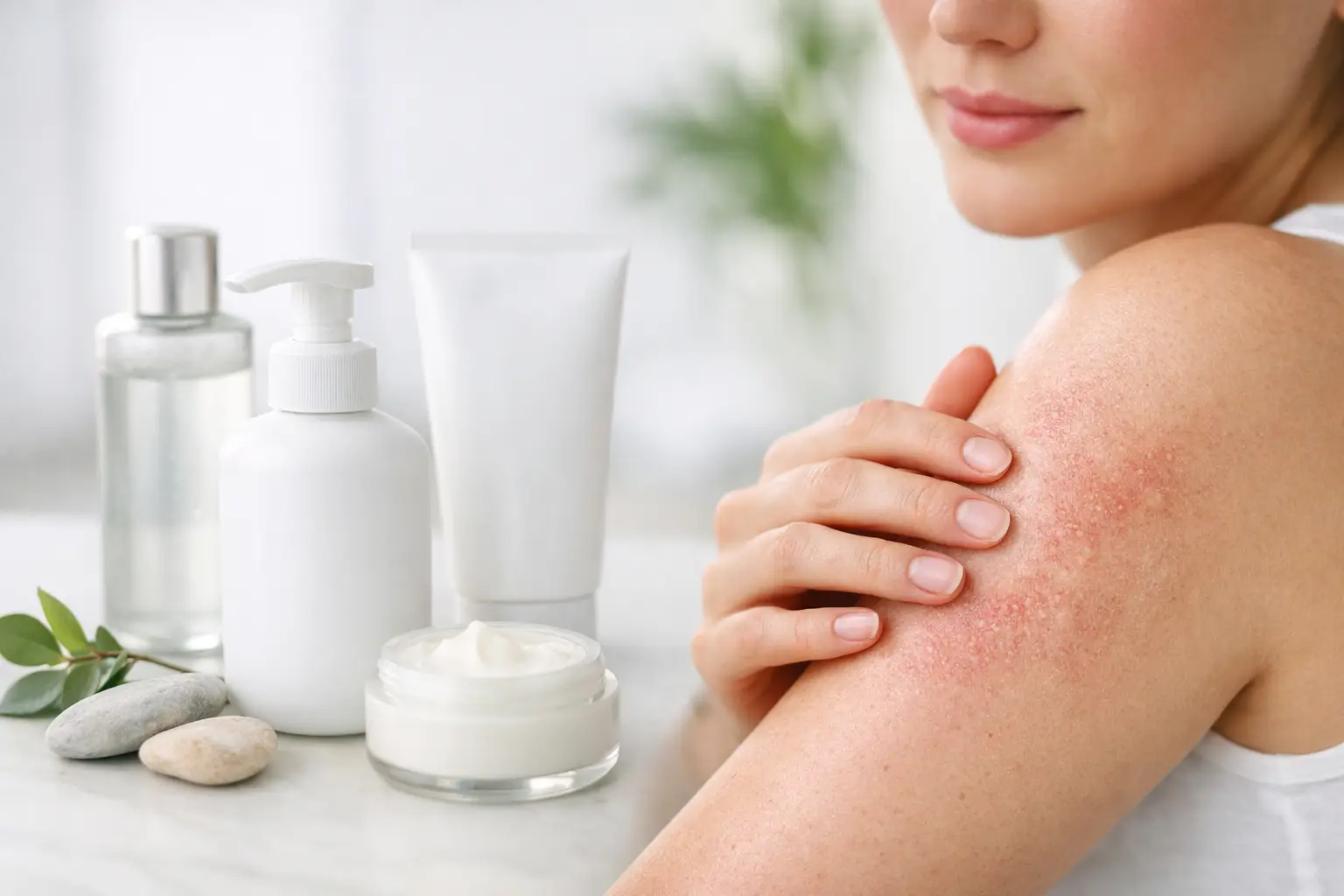
A cleanser can be the first product that aggravates an already reactive routine. For people searching for the best cleanser for eczema prone skin, the goal is not a dramatic foam, a perfume-led experience, or a long ingredient story. It is simple: remove what needs removing while leaving the skin barrier with as little additional stress as possible.
That standard rules out many otherwise pleasant products. Skin affected by eczema can be dry, itchy, cracked, inflamed, or prone to recurring flare-ups. Its barrier may lose water more easily and react more readily to friction, heat, surfactants, and fragrance. Cleansing should respect that reality.
What Makes a Cleanser Suitable for Eczema-Prone Skin
The right cleanser is defined less by a single hero ingredient than by its overall formula and how it behaves on your skin. A well-chosen product cleans without leaving a tight, squeaky, or stripped feeling. After rinsing and gently patting dry, skin should feel comfortable rather than urgently in need of relief.
Look first for a mild, low-irritation cleansing system. Cleansers use surfactants to lift oil, sweat, sunscreen, and daily debris from the skin. Strong surfactants can be useful in products made for heavy oil or product buildup, but they may be too aggressive for an impaired barrier when used frequently. A gentler formula is often better suited to eczema-prone skin, particularly for the face, hands, and areas that flare often.
A cream, lotion, or low-foam gel texture is usually a sensible place to start. These formats are not automatically gentle, and a foaming cleanser is not automatically harsh. Still, texture can offer a useful clue. Dense, high-foam washes are more likely to create the thoroughly clean feeling that sensitive, dry skin does not need.
Fragrance is another practical consideration. Fragrance, including essential-oil fragrance, can make a cleanser more enjoyable to use but can also be a source of irritation for some people with eczema. Fragrance-free is often the lower-risk choice. This is not a claim that every natural aromatic ingredient is unsuitable or that every scented product causes a reaction. It is simply a disciplined way to reduce unnecessary variables when skin is unsettled.
Best Cleanser for Eczema Prone Skin: What to Look For
Choose a cleanser with a clear purpose. It should be formulated for sensitive or dry skin, rinse without residue that feels waxy or irritating, and be comfortable enough to use consistently. Ingredients that support moisture retention, such as glycerin, can be useful, especially when paired with a mild cleansing base. Barrier-supportive lipids and soothing components may also have a place, though the cleanser remains on the skin only briefly. Their role is supportive, not a substitute for a leave-on moisturizer or prescribed treatment.
pH is worth considering, but it should not be the only deciding factor. Skin has a naturally acidic surface environment, and cleansers formulated closer to that range may be less disruptive than traditional alkaline soap. Yet a product can have a skin-friendly pH and still contain ingredients that do not suit you. The full formulation, frequency of use, water temperature, and your individual triggers all matter.
For the body, a soap-free cleanser may be preferable to a conventional bar soap during dry or active periods. Traditional soap can be alkaline and may leave some people feeling dry after washing. This does not mean bar formats are always unsuitable. It means the formula deserves more attention than the format alone.
For the face, avoid treating eczema-prone skin as though it needs to be purified. If you wear light sunscreen or little makeup, one gentle cleanse in the evening may be sufficient. In the morning, some people do well with a quick rinse in lukewarm water or a very small amount of cleanser. The best routine is the least intensive one that still meets your hygiene needs.
Ingredients and features that may be less helpful
When the barrier is reactive, restraint is often more useful than adding more actives. Consider avoiding products with strong fragrance, essential oils used for scent, abrasive scrub particles, high levels of denatured alcohol, or exfoliating acids unless a clinician has advised their use. These ingredients are not universally bad. They can be appropriate in other routines and for other skin concerns. But eczema-prone skin does not benefit from an experiment every time it is washed.
Be cautious with antibacterial or deodorizing washes used beyond their intended purpose. They may be necessary in specific circumstances, but daily whole-body use can be unnecessarily drying. The same applies to cleansers marketed around intense oil control, deep detoxification, or an exceptionally fresh after-feel. Those promises often point toward a more aggressive cleansing experience.
Your Cleansing Method Matters as Much as the Formula
A careful cleanser can still become irritating when paired with very hot water, a rough washcloth, or too much repetition. Use lukewarm water. Massage the product onto wet skin with clean hands, rather than scrubbing with a brush, sponge, or textured cloth. Rinse thoroughly, then pat dry with a soft towel. Do not rub until the skin feels completely dry.
Apply moisturizer soon after cleansing, ideally while skin is still slightly damp. This step helps limit water loss and is often where an eczema-focused routine does most of its practical work. A cleanser has a short contact time. A suitable moisturizer remains on the skin and can provide longer-lasting support.
Hand eczema may require a more tailored approach. Frequent handwashing is not always optional, especially in healthcare, food service, caregiving, or travel. Keep the hand cleanser mild, use only the amount needed, and moisturize after each wash when possible. If alcohol-based hand sanitizer is required, a formula with humectants may be more comfortable for some people, but it can still sting on cracked skin.
How to Test a New Cleanser Without Disrupting Your Routine
When eczema is active, changing several products at once makes it difficult to identify what helped or harmed. Introduce one cleanser at a time, preferably when your skin is relatively stable. Use it on a small area or on one consistent zone for several days before making it your regular face or body wash.
Watch for more than an immediate burning sensation. Delayed itching, increasing dryness, redness, rough patches, or a flare within the following day can also signal that the product is not a good fit. Stop using it if you notice a consistent reaction. A product does not need to cause a severe allergy to be unsuitable for your skin.
Keep the rest of the routine quiet while testing. Use the moisturizer you already tolerate, avoid introducing acids or retinoids, and skip fragranced body products. Fewer variables provide clearer answers. This is the same logic behind a considered personal care system: every product should earn its place.
When a Gentle Cleanser Is Not Enough
A cleanser can reduce avoidable irritation, but it cannot resolve every eczema flare. Persistent itching, painful cracking, oozing, crusting, sleep disruption, or signs of infection require medical advice. A dermatologist or qualified clinician can help distinguish eczema from contact dermatitis, fungal conditions, psoriasis, or other concerns that may look similar but need different care.
It is also worth seeking guidance if a previously tolerated cleanser suddenly becomes uncomfortable. The trigger may be the product, but it may also be dry weather, stress, sweat, a new detergent, occupational exposure, or a change in treatment. Skin rarely reacts in isolation.
The best cleanser is the one you can use without turning a basic daily step into a source of irritation. Keep the formula purposeful, the water lukewarm, and the routine brief. For eczema-prone skin, less cleansing force is often not a compromise. It is the more considered choice.
Leave a Reply