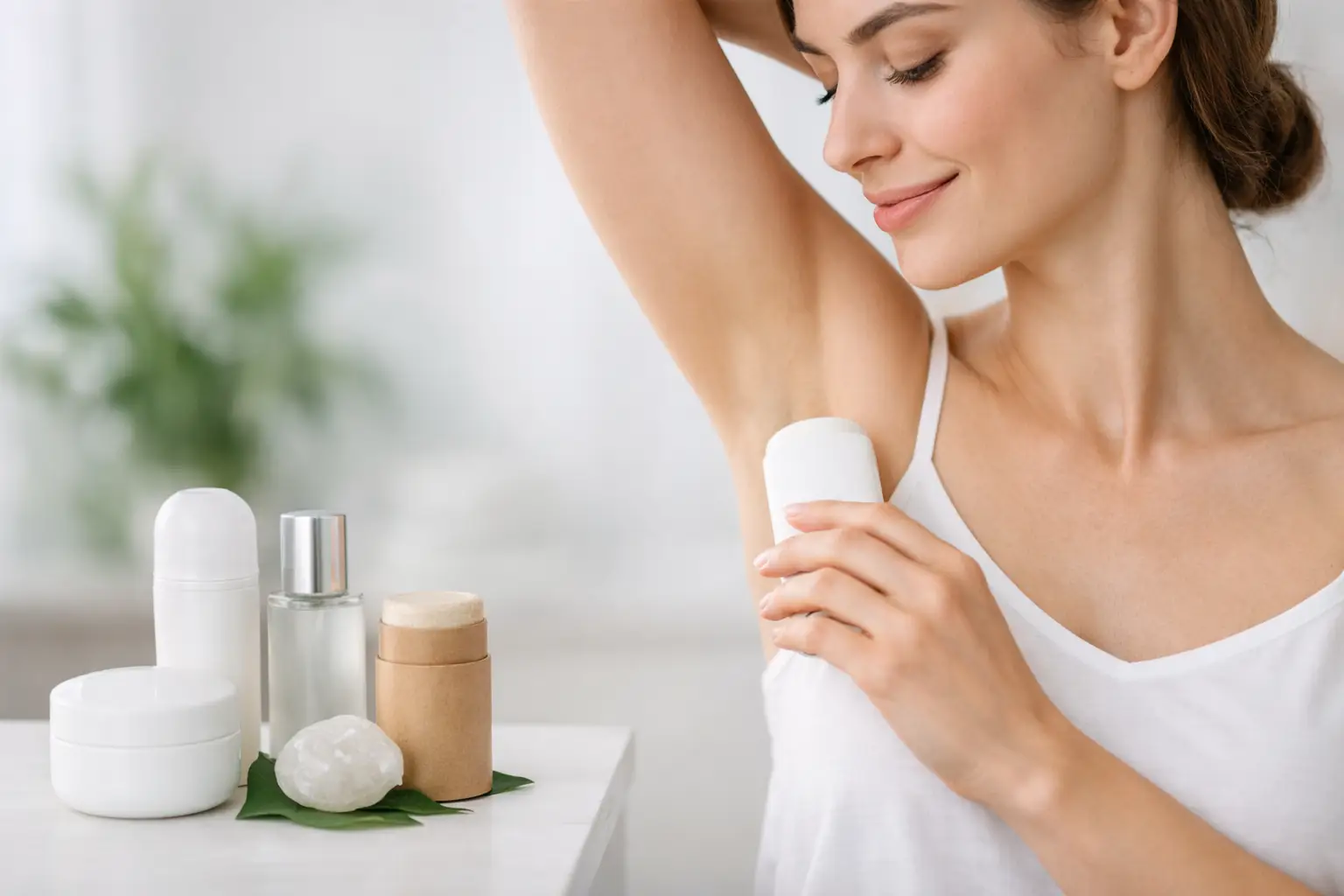
Underarm skin is thin, frequently shaved, exposed to friction, and often covered for long hours. When it stings after deodorant, develops a rash, or becomes persistently itchy, finding the best deodorant for sensitive underarms is less about chasing a stronger scent and more about reducing unnecessary stress on the skin barrier.
The right choice should address odor without turning a daily hygiene step into a recurring irritation cycle. That requires looking beyond broad labels such as “natural,” “clean,” or “sensitive.” Those terms may be useful starting points, but they do not explain how a formula is built or how your skin will respond to it.
Why Underarms React So Easily
The underarm is a high-friction, high-moisture area. Sweat, skin-on-skin contact, clothing, hair removal, and residue from previous products can all affect tolerance. A formula that works well on the forearm may still be uncomfortable under the arms.
Irritation is also not always caused by one obvious ingredient. It can result from the combined effect of fragrance, essential oils, high levels of acidic or alkaline odor-control ingredients, frequent shaving, and applying product to compromised skin. For people managing eczema or a history of contact dermatitis, the threshold for irritation may be lower.
This is why a deodorant should be judged by more than whether it prevents odor at noon. Consistent comfort matters. A product that controls odor but causes burning, dark marks from inflammation, or peeling is not a good long-term fit.
Deodorant and Antiperspirant Are Not the Same
A deodorant manages odor, which develops when skin bacteria interact with sweat. It may do this by reducing odor-causing bacteria, absorbing moisture, or adjusting the underarm environment. It does not necessarily stop perspiration.
An antiperspirant reduces wetness by using aluminum-based active ingredients that temporarily form plugs in sweat ducts. Some people with sensitive underarms tolerate antiperspirants well. Others find that certain formulas cause discomfort, especially after shaving or when applied too heavily.
Neither category is automatically better. If wetness is your main concern and your skin tolerates it, an antiperspirant may be practical. If irritation is your recurring issue, a minimalist deodorant formula may be easier to manage. The best approach depends on what your underarms actually need.
What to Look for in the Best Deodorant for Sensitive Underarms
Start with a short, purposeful ingredient list. Fewer ingredients do not guarantee that a product will be non-irritating, but a focused formula gives you fewer potential triggers to assess and makes it easier to identify what your skin does or does not tolerate.
Fragrance-free is often a sensible first choice for reactive skin. Fragrance can refer to a blend of aromatic materials, and fragrant essential oils can also be sensitizing for some people. A pleasant scent is not a skin benefit. If you have experienced itching, redness, or a rash from deodorant, choosing an unscented option is a practical way to reduce variables.
Consider the odor-control system as well. Gentle absorbent powders and skin-compatible ingredients may suit daily use better than formulas built around very high concentrations of baking soda or strong exfoliating acids. Baking soda is effective for some users, but its alkaline nature can disrupt the skin’s naturally acidic surface environment and lead to irritation in others.
Acid-based deodorants deserve a similarly measured view. Mandelic acid, lactic acid, and other acids may help reduce odor for some people, but they can sting on freshly shaved skin or on an already irritated underarm. They are not automatically unsuitable, but they require more care than marketing often suggests.
For dry, eczema-prone, or easily inflamed skin, supportive base ingredients can make a difference. Look for formulas designed to minimize friction and avoid leaving the skin feeling tight. A deodorant does not need to function as a treatment product, but it should not work against the barrier you are trying to protect.
Ingredients That May Need More Caution
Individual sensitivity varies, so there is no universal avoid list. Still, a few common features are worth reviewing when your underarms are reactive:
- Added fragrance and aromatic essential oils, especially if you have a known fragrance allergy.
- High levels of baking soda, particularly if you have felt burning or developed a red, rough rash with natural deodorants.
- Strong acids or exfoliating ingredients used on recently shaved or damaged skin.
- Heavy waxes or powders that leave stubborn buildup, increasing the need for aggressive scrubbing.
This is not an argument that every one of these ingredients is harmful. It is a reminder that compatibility matters more than ingredient trends. Natural ingredients are not inherently gentler, and synthetic ingredients are not inherently harsh. The useful question is whether the full formula is appropriate for your skin and intended use.
Choose a Format That Fits Your Routine
Stick deodorants are convenient and familiar, but pressure from a firm stick can be uncomfortable when skin is irritated. Cream deodorants can be easier to apply lightly, though they may feel less convenient and can transfer if overapplied. Roll-ons offer a thin, even layer but may feel damp at first. Sprays reduce direct contact, yet alcohol-based versions can sting and fragranced aerosols may not suit reactive skin.
There is no perfect format for everyone. The most effective choice is usually the one you can apply in a small, consistent amount without rubbing, reapplying, or overcorrecting throughout the day.
If you are switching from a conventional antiperspirant, expect an adjustment period in your routine rather than a dramatic “detox.” Sweat production may feel more noticeable because you are no longer using an antiperspirant. That does not mean your body is purging toxins. It simply means the product function has changed.
How to Test a New Deodorant Without Making Things Worse
Do not begin with a full daily application if your skin is already inflamed. Wait until active burning, broken skin, or a rash has settled, then test the product conservatively.
Apply a small amount to one underarm for several days, preferably on a day you have not shaved. Watch for immediate stinging, as well as delayed redness, itchiness, dryness, or small bumps. A reaction can take more than one use to become clear.
If your skin remains comfortable, gradually use it on both underarms. Apply only to clean, fully dry skin. More product rarely gives proportionally better odor control, and excess product can create residue and friction. On shaving days, consider waiting several hours before application or use an alternative you already know your skin tolerates.
A simple routine is often the most reliable one: gentle cleansing, careful drying, a small amount of deodorant, and no unnecessary layering of fragranced body products in the same area. This reflects the Calmora Natural principle of fewer, better products. Sensitivity is often easier to manage when the routine is clear enough to observe and adjust.
When Deodorant Is Not the Whole Answer
Persistent underarm irritation deserves attention beyond product selection. A rash that spreads, blisters, oozes, becomes painful, or does not improve after stopping the suspected product may require evaluation by a dermatologist. So can recurring dark patches, painful lumps, or sudden changes in body odor accompanied by other symptoms.
Contact allergy is also possible, and it can develop even after years of using the same formula. If reactions keep returning, a clinician can help identify whether fragrance, preservatives, botanicals, or another ingredient is involved. Guessing through repeated product trials can prolong the problem.
The best deodorant for sensitive underarms is not necessarily the strongest, most expensive, or most heavily marketed option. It is the formula that provides enough odor control for your day while leaving your skin calm, intact, and comfortable enough to use again tomorrow.
Leave a Reply