A deodorant can look simple on a bathroom shelf, yet become a daily source of stinging, itching, bumps, or persistent odor. Knowing how to choose gentle deodorant starts with a more useful question: what does your underarm skin need to tolerate day after day? The right answer is rarely the product with the longest ingredient story or the loudest “natural” claim. It is the formula that manages odor while respecting your skin’s limits.
Gentle Is About Compatibility, Not a Marketing Claim
“Gentle” is not a regulated performance standard. A product can use natural ingredients and still feel irritating. It can be fragrance-free and still be unsuitable for someone who reacts to a particular botanical extract, wax, or active ingredient. Skin compatibility is personal, especially if you have eczema, frequent shaving irritation, dry skin, folliculitis, or a history of underarm discoloration after inflammation.
A gentle deodorant usually has a focused formula, a clear job, and no unnecessary sensory extras. It should help reduce odor without routinely causing burning, redness, rash, or painful friction. That does not mean it must feel weightless or contain only a handful of ingredients. It means every ingredient should have a practical purpose: odor control, moisture absorption, texture, preservation, or skin comfort.
The most useful approach is to look beyond broad labels such as “clean,” “non-toxic,” or “aluminum-free.” Those terms may reflect a brand philosophy, but they do not tell you whether a formula will work with your skin or your daily routine.
Deodorant and Antiperspirant Solve Different Problems
Before comparing formulas, identify whether odor, wetness, or both are your main concern.
Deodorant addresses odor. Body odor develops when sweat interacts with bacteria on the skin. Deodorant formulas may reduce odor by shifting the skin environment, absorbing moisture, or using antimicrobial ingredients. Many people choose deodorant because they perspire normally but want reliable odor control with a particular ingredient profile.
Antiperspirant addresses wetness by using aluminum salts to temporarily reduce sweat at the skin’s surface. Some products combine antiperspirant and deodorant functions. If dampness is your greatest concern, a gentle deodorant alone may not meet your expectations, no matter how well formulated it is.
Neither category is automatically better. The right choice depends on your needs. If you are sensitive to residue, friction, or scented products, you may prefer a simple deodorant. If sweat itself is disrupting comfort, clothing, or confidence, a well-tolerated antiperspirant may be more practical. Choosing a product category honestly prevents repeated product switching and disappointment.
How to Choose Gentle Deodorant by Reading the Formula
Ingredient lists can feel technical, but you do not need to judge every ingredient in isolation. Start by identifying the odor-control system, then consider the extras that can affect sensitive skin.
Start With the Odor-Control Ingredients
Common deodorant ingredients include magnesium compounds, zinc-based ingredients, baking soda, acids, and absorbent powders. Each comes with trade-offs.
Baking soda is effective for some people because it can help neutralize odor. It also has a higher pH than skin, which may cause irritation, dryness, or a rash in others, particularly with daily use or after shaving. If you have had recurring underarm sensitivity, a baking soda-free formula can be a sensible starting point rather than a compromise.
Magnesium-based deodorants are often chosen as a gentler alternative, though tolerance still varies. Zinc compounds can help with odor control and are frequently used in modest amounts. Acids, including mandelic or lactic acid, can make the skin environment less favorable to odor-producing bacteria. They may be effective, but acidic formulas can sting on freshly shaved skin or compromised skin.
Absorbent ingredients such as arrowroot, tapioca starch, kaolin, or silica can help reduce the damp feeling. They do not stop sweat. In humid conditions or during exercise, they may improve comfort but may not provide the dryness of an antiperspirant.
Be Cautious With Fragrance, Including Essential Oils
Fragrance is one of the clearest variables to consider when skin is reactive. A fresh scent may make a deodorant more pleasant to use, but fragrance can also be a trigger for irritation or allergic contact dermatitis. This applies to both synthetic fragrance and essential oils.
Essential oils are often presented as a natural option. They can provide scent and sometimes contribute to odor control, but natural origin does not guarantee gentleness. Citrus oils, mint, eucalyptus, tea tree, and floral oils may be uncomfortable for sensitive users, especially in leave-on products applied daily to a warm, friction-prone area.
If your underarms are prone to redness, itching, or unexplained irritation, choose fragrance-free first. This does not mean all scented deodorants are unsuitable. It simply removes one common variable while you establish what your skin can handle.
Consider Texture as Part of Skin Tolerance
Texture affects more than convenience. A product that drags across skin, leaves a gritty residue, or forms a heavy coating can increase friction. This matters after shaving, during hot weather, or when you wear fitted clothing.
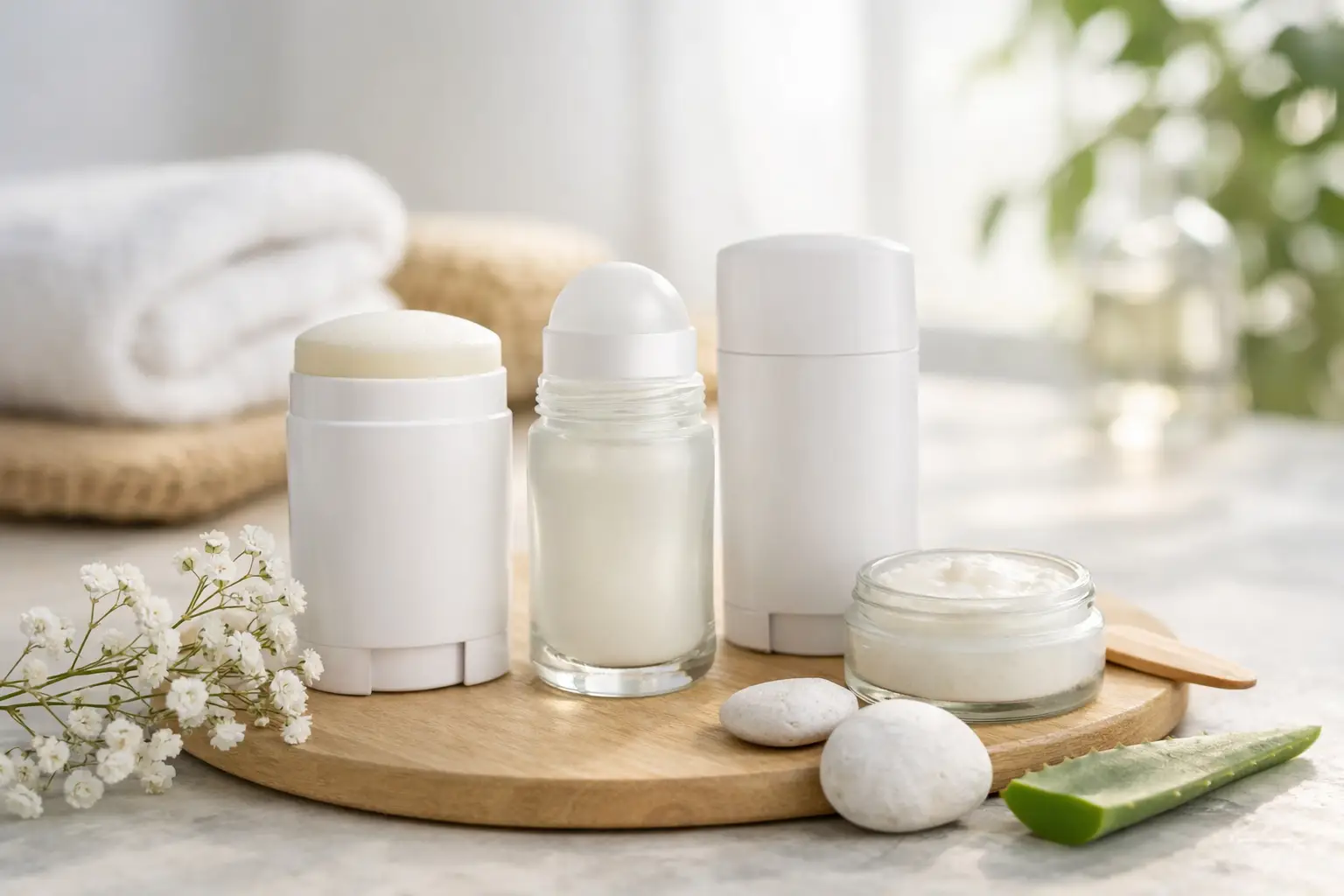
Sticks are convenient and usually travel well, but some can feel dry or waxy. Cream deodorants allow controlled application and can suit people who prefer a softer formula, although they may feel less practical for rushed mornings. Roll-ons and gels often feel lighter, but they may take longer to dry. Sprays can be useful when skin is irritated by rubbing, though alcohol-based formulas may sting.
There is no universally best texture. Choose the format you will apply consistently and comfortably. A formula that works on paper but feels unpleasant every morning is unlikely to become a long-term solution.
Test a New Deodorant With Fewer Variables
Underarm skin is easily affected by shaving, heat, sweat, tight fabric, and active skincare products. Introducing a new deodorant while changing several other habits makes it difficult to understand what caused a reaction.
Test one product at a time. Apply a small amount to intact skin for several days, ideally when you are not shaving immediately beforehand. Watch for delayed symptoms as well as immediate stinging. Itching, persistent redness, dryness, scaling, small bumps, or dark marks after inflammation are signs to stop and reassess.
Do not assume a “detox” period explains a painful or worsening reaction. Switching deodorants can change how odor and sweat feel, but a rash is not a sign that a product is working. Your skin is giving you useful information.
It is also reasonable to allow a short adjustment period for performance, especially when moving from an antiperspirant to deodorant. You may notice more wetness because the new product is not designed to reduce sweat. That is a difference in function, not evidence that your body needs cleansing or correction.
Support the Product With Better Application Habits
Even a well-chosen formula can underperform when applied to damp or irritated skin. Apply deodorant to clean, fully dry underarms. A thin, even layer is usually enough. More product does not necessarily mean better odor control and may increase residue or friction.
If you shave, consider applying deodorant later in the day or using a fragrance-free, low-irritation formula afterward. Replace dull razors and avoid repeatedly going over the same area. These small changes can reduce the micro-irritation that makes a previously tolerated product suddenly sting.
Clothing also plays a role. Breathable fabrics and laundering that fully removes odor buildup can support a deodorant’s performance. If odor seems to return quickly despite careful application, the issue may be residue in fabric rather than the formula alone.
When a Gentle Deodorant Is Not Enough
Persistent rash, painful lumps, open skin, unusual sweating, or a sudden major change in body odor deserves medical attention. Deodorant is a hygiene product, not a treatment for infection, hyperhidrosis, or inflammatory skin conditions.
For people managing eczema or recurrent contact dermatitis, simpler is often better: fewer fragranced products, fewer active ingredients, and enough time to identify patterns. Calmora Natural’s principle of fewer, better products is useful here. A focused routine makes it easier to see what supports your skin and what does not.
Choose for daily tolerance, not a dramatic first impression. The best gentle deodorant is the one that controls odor to a level that works for your life, feels comfortable on ordinary skin days and difficult ones, and earns a place in your routine without asking your skin to endure unnecessary stress.
Leave a Reply