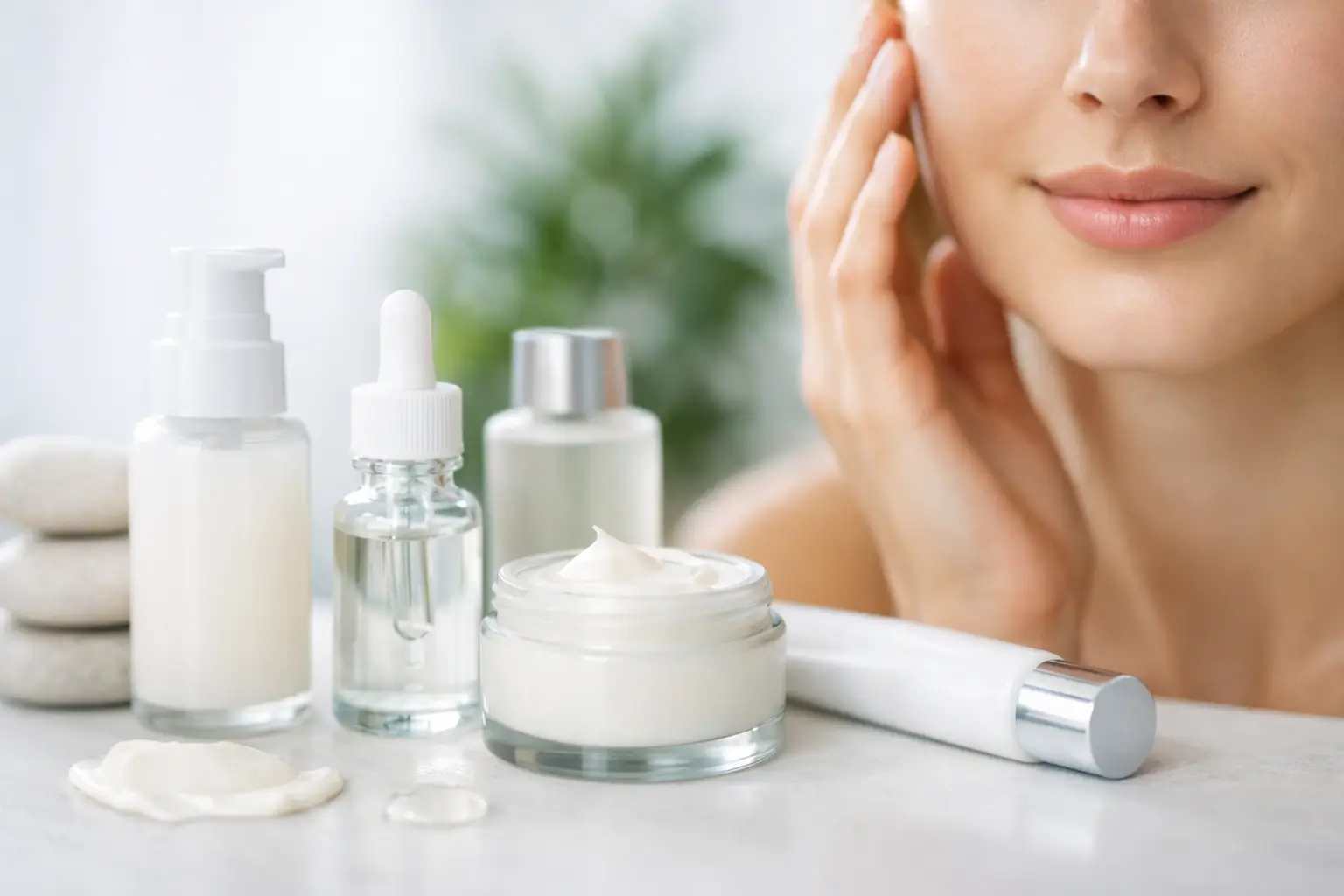
When your skin starts stinging from products that used to feel fine, a complicated routine is usually not the answer. A barrier repair routine example should do one thing well: reduce stress on the skin while giving it what it needs to recover.
Barrier damage rarely arrives as a single dramatic event. More often, it builds slowly – too many actives, frequent cleansing, hot water, dry air, over-exfoliation, or irritation from fragranced products. The skin begins to feel tight, reactive, flaky, shiny in the wrong way, or unexpectedly breakout-prone. That combination confuses people. Skin can be dry and inflamed while still developing clogged pores.
The good news is that barrier repair is usually less about adding more and more about removing friction.
What a barrier repair routine example should include
A functional routine has three jobs. It should cleanse without stripping, hydrate without overwhelming the skin, and seal in comfort with ingredients that support the skin barrier over time.
That means a stripped-back routine built around a gentle cleanser, a simple hydrating layer if needed, a barrier-supporting moisturizer, and daily sunscreen. If your skin is significantly irritated, even a serum may be optional for a while. Minimal is not a compromise here. It is often the most rational approach.
A healthy skin barrier depends on a balanced structure of lipids, water, and natural moisturizing factors. When that structure is disrupted, skin loses water more easily and becomes more reactive to ingredients that would normally be tolerated. This is why a product that once felt effective can suddenly burn.
A simple barrier repair routine example
Morning
Start with a rinse of lukewarm water or a very gentle cleanser, depending on how your skin feels. If you wake up oily, sunscreen-heavy, or uncomfortable, use cleanser. If your skin is dry and calm, water may be enough. The point is not to cleanse by habit. The point is to avoid unnecessary stripping.
Follow with a lightweight hydrating layer only if your skin benefits from it. Look for humectants such as glycerin, panthenol, or hyaluronic acid in a formula that does not rely on strong acids, essential oils, or heavy fragrance. Hydration is useful, but only when it does not trigger more sensitivity.
Then apply a barrier-focused moisturizer. A good formula often includes ceramides, cholesterol, fatty acids, squalane, colloidal oatmeal, or soothing humectants. Texture matters. Very dry skin may need a cream. Combination or acne-prone skin may do better with a lighter lotion. The right moisturizer is the one your skin can use consistently without heat, itch, or congestion.
Finish with sunscreen. This step matters more than many people expect. UV exposure adds stress to already compromised skin and slows recovery. Choose a sunscreen that is comfortable enough to wear daily. If every sunscreen stings, your barrier may still be highly reactive, and it may take some trial and error to find a formula you tolerate.
Evening
Cleanse gently, especially if you wore sunscreen or makeup. This is not the moment for foaming cleansers that leave the skin squeaky. That after-feel often signals disruption, not cleanliness.
If your skin feels dehydrated, apply the same simple hydrating layer from the morning. Then use your moisturizer generously. At night, some people benefit from applying a slightly thicker layer to the driest areas – around the nose, mouth, cheeks, or eyelids if the product is suitable for that area.
If your skin is extremely dry or impaired, you can finish with a thin occlusive layer over moisturizer in the areas that crack, sting, or peel most. This helps reduce transepidermal water loss. But it does depend on your skin type. Occlusives can be helpful for dry, eczema-prone skin and less comfortable for very oily or congestion-prone skin.
What to stop while your barrier recovers
A barrier routine is as much about pausing as it is about using. If your skin is irritated, step back from exfoliating acids, retinoids, benzoyl peroxide, strong vitamin C, scrubs, cleansing brushes, and fragranced treatments for at least a couple of weeks. Even well-formulated actives can feel like too much when the barrier is compromised.
This pause can be frustrating, especially if you are also dealing with acne, pigmentation, or texture. But forcing active treatment through an impaired barrier usually extends the problem. Recovery first. Correction later.
You should also pay attention to habits outside skincare. Long hot showers, harsh laundry detergent, rough towels, dry indoor air, and frequent face washing all contribute more than people realize. Skin does not interpret irritation by category. It only registers stress.
How long barrier repair usually takes
Mild barrier disruption may improve in a week or two with a disciplined routine. More significant irritation can take several weeks. If you have eczema, chronic sensitivity, menopausal dryness, or are using prescription treatments, the timeline can be longer and less linear.
There is no useful prize for repairing your barrier quickly. The better goal is reducing reactivity and building tolerance gradually. Skin that feels calm for a few days is encouraging, but it is not always a sign to restart every active product at once.
How to know if your routine is helping
The first signs are usually subtle. Less stinging. Less tightness after cleansing. Makeup sitting better. Fewer dry patches. Reduced redness. Skin may still look imperfect, but it begins to feel more stable.
Not every breakout during barrier repair means the routine is wrong. Sometimes skin is still adjusting from previous irritation, or a richer moisturizer changes how your skin behaves temporarily. But if you notice persistent burning, increased itching, swelling, or clusters of clogged pores that keep worsening, the formula may not be the right fit.
That is where restraint matters. Change one variable at a time. Do not replace your entire routine in a single weekend and then try to guess which product caused the reaction.
Barrier repair routine example for different skin patterns
Dry, eczema-prone skin often needs richer textures and fewer steps. A cream cleanser, a simple humectant, a dense moisturizer, and selective occlusive support can be enough. In humid climates, this may still feel heavy, so application amount matters as much as formula choice.
Oily or acne-prone skin still needs barrier repair, but the texture balance is different. Many people in this group over-cleanse or overuse acne treatments, then mistake irritation for persistent oiliness. A gel-cream moisturizer with ceramides and glycerin may work better than a heavy balm, while still giving the skin what it needs.
Menopausal or mature skin often benefits from a routine that focuses on comfort and consistency rather than frequent product rotation. Barrier decline can show up as dryness, thin-feeling skin, and new sensitivity. In that case, fewer products with stronger barrier support usually make more sense than chasing every visible change at once.
If you live in a humid environment such as Malaysia or Singapore, lighter layers may be easier to tolerate. In drier indoor settings with heavy air-conditioning, skin may still need more emollient support than the weather suggests. Climate matters, but skin behavior matters more.
When to restart active products
Once your skin feels calm for at least one to two weeks, you can consider reintroducing one active if you still need it. Start slowly. One product. A few nights a week. Low strength if possible.
If irritation returns immediately, that is useful information. It may mean the active is too strong, too frequent, or simply not right for your skin. Barrier repair is not a temporary detour for everyone. For some people, especially those with recurrent sensitivity, it becomes the foundation of how they use skincare long term.
That is not a limitation. It is a better strategy.
A brand like Calmora Natural builds around this logic – fewer, better products that respect the skin’s threshold instead of constantly testing it. For sensitive skin, that kind of discipline is often more valuable than novelty.
The best routine is not the one with the most steps. It is the one your skin can live with, morning and night, without a fight. Start there, stay consistent, and let calm skin be the measure of progress.
Leave a Reply