
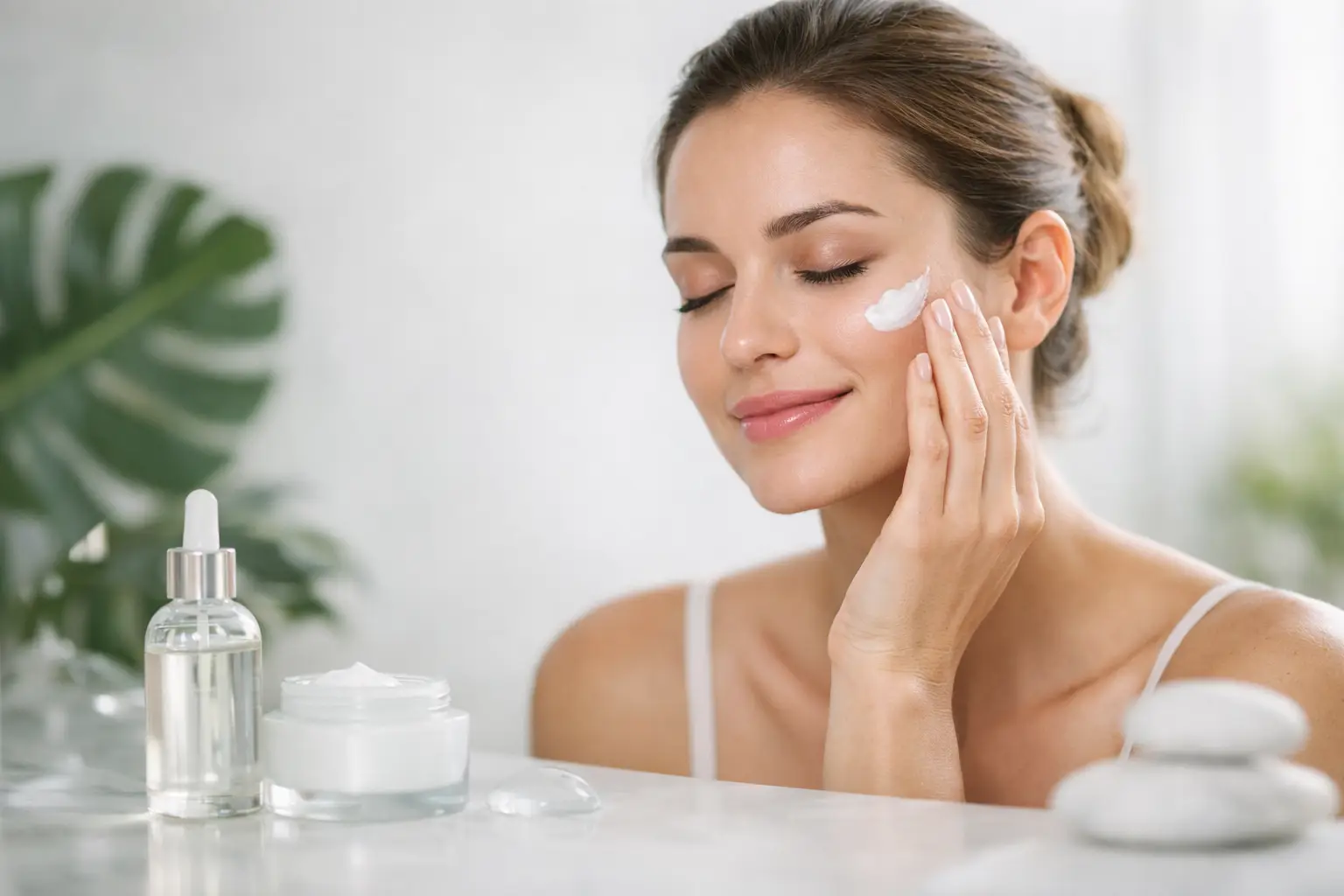
Your skin should not feel tight, hot, or uncomfortable after a routine designed to care for it. If cleanser stings, moisturizer suddenly burns, or your face seems both oily and dry, this beginner guide to skin barrier care starts with a useful principle: do less before you do more.
The skin barrier is not a trend or a single product category. It is a working system that helps skin hold water in and keep everyday irritants out. When it is under strain, adding more acids, masks, or active serums can create more noise rather than more progress. A well-chosen, consistent routine is usually the better place to begin.
A Beginner Guide to Skin Barrier Basics
The outermost layer of skin is often called the stratum corneum. Think of it as a compact surface made of skin cells held together by lipids, including ceramides, cholesterol, and fatty acids. This structure limits water loss and provides a first line of defense against friction, pollution, microbes, and irritating ingredients.
A healthy barrier does not mean perfectly smooth, poreless skin. It means skin that is generally comfortable, able to retain moisture, and less reactive to ordinary products and weather changes. Oiliness does not rule out barrier stress. Oily skin can still be dehydrated and irritated, particularly when it is repeatedly stripped with strong cleansers or overtreated for breakouts.
Barrier health also changes over time. Dry indoor air, travel, stress, sun exposure, shaving, hormonal shifts, menopause, and certain acne treatments can all affect how the skin behaves. This is why a routine that once felt fine may need adjustment later.
Signs Your Barrier May Be Under Strain
No single symptom confirms a compromised barrier. Skin conditions such as eczema, rosacea, acne, contact dermatitis, and infection can overlap with it. Still, a pattern of discomfort is worth paying attention to.
Common signs include persistent tightness after cleansing, flaking that returns quickly, redness or warmth, stinging when using previously tolerated products, and a rough or uneven surface. Some people also notice more frequent breakouts. Inflammation can make pores look more noticeable and can disrupt the way skin sheds cells, but this does not mean every breakout should be treated with harsher acne products.
Consider timing as well. If sensitivity appeared after starting a retinoid, exfoliating toner, scrub, peel, benzoyl peroxide, or fragranced product, the cause may be clear. If symptoms began without an obvious change, look at the whole picture: more frequent washing, longer hot showers, a new sunscreen, dry climate control, or friction from masks and towels can all contribute.
Start With a Short Routine
When skin is reactive, a long routine makes it harder to identify what is helping and what is causing trouble. For two to four weeks, simplify to the essentials and assess comfort rather than chasing instant visible change.
Cleanse with restraint
Cleanse once in the evening to remove sunscreen, makeup, sweat, and daily buildup. In the morning, many people with dry or sensitive skin can simply rinse with lukewarm water. If you need a cleanser twice daily because of oiliness, exercise, or a humid climate, choose one that leaves skin comfortable rather than squeaky-clean.
Avoid scrubbing with washcloths, cleansing brushes, or grainy exfoliants while your skin is irritated. Water temperature matters too. Hot water can feel relaxing, but it can increase dryness and redness for some people.
Moisturize while skin is slightly damp
A moisturizer supports the barrier by reducing water loss and improving surface comfort. Apply it after cleansing, while the skin is still lightly damp, not dripping wet. This is a practical way to help hold water near the skin’s surface.
Look for formulas designed around functional categories rather than marketing volume. Humectants such as glycerin draw water toward the surface. Emollients help soften roughness. Occlusive ingredients reduce moisture loss. Barrier-supporting lipids, including ceramides, may be useful for dry or eczema-prone skin. You do not need every ingredient in every product. The right texture depends on your skin, climate, and tolerance.
A richer cream may suit dry, mature, or winter-stressed skin. A lightweight lotion or gel-cream may be more comfortable for oily or acne-prone skin in humid conditions. The goal is not to feel coated. The goal is skin that feels settled several hours later.
Use sunscreen as daily protection
Sun exposure can contribute to inflammation and visible signs of skin aging, while also making already sensitive skin harder to manage. Use a broad-spectrum sunscreen in the morning when you will be exposed to daylight. If sunscreen stings, try a different formula rather than skipping protection altogether. Texture, filters, fragrance, and the base formula can all affect tolerance.
Pause the Products That Add Stress
Barrier support is often less about finding a miracle ingredient and more about removing repeated irritation. During a reset period, pause leave-on exfoliants, facial scrubs, strong treatment masks, and any active that causes ongoing burning or peeling.
This does not mean active ingredients are inherently bad. Retinoids, salicylic acid, benzoyl peroxide, and vitamin C can be useful for specific concerns. But their value depends on dose, frequency, formulation, and the condition of your skin. A product that is appropriate for acne may still be too much when used nightly on irritated skin.
When your skin feels stable again, reintroduce one active at a time. Use it less often than the label’s maximum recommendation at first. Keep the rest of your routine unchanged for at least a week or two, so you can see whether your skin remains comfortable. This is slower than changing everything at once, but it is more informative.
Natural Does Not Automatically Mean Gentle
Ingredient awareness is useful, but simple labels can be misleading. Natural oils, botanical extracts, and essential oils may work well for some people and trigger irritation or allergy in others. Synthetic ingredients are not automatically harsh either. Compatibility, concentration, and the final formula matter more than a broad natural-versus-synthetic claim.
Fragrance is another individual consideration. Some people tolerate it without issue, while people with eczema, recurrent sensitivity, or unexplained facial irritation may prefer fragrance-free options. A shorter ingredient list can be easier to troubleshoot, but shorter is not automatically better. Choose products with a clear purpose and a formula your skin can use consistently.
Patch testing can reduce surprises, especially if you have reacted to products before. Apply a small amount to a discreet area for several days before using it widely. It cannot predict every reaction, but it is a sensible precaution.
Avoid the Cycle of Overcorrecting
Many routines become complicated because people respond to each new symptom with another product. Dryness leads to a heavier cream, then congestion leads to stronger exfoliation, then irritation leads to multiple soothing serums. The result can be a routine that is difficult to sustain and impossible to evaluate.
Instead, make one purposeful change at a time. Keep a basic note of what you use and how your skin feels the next day. Look for trends over two weeks, not minute-by-minute changes in the mirror. Skin is affected by sleep, weather, hormones, and stress, so daily fluctuations are normal.
If a product burns sharply, causes swelling, hives, cracking, or worsening redness, rinse it off and stop using it. Persistent rashes, painful acne, oozing skin, or symptoms that interfere with sleep deserve evaluation from a dermatologist or other qualified clinician. Skincare can support the surface of the skin, but it should not replace medical care for an ongoing condition.
Give Your Skin Fewer Variables
The most effective barrier routine is often unremarkable: gentle cleansing, a suitable moisturizer, daily sun protection, and carefully paced treatment products when needed. It may take several weeks of consistency before your skin feels reliably calmer.
That patience is not a compromise. It is a way of giving your skin fewer variables, clearer support, and room to do what a healthy barrier is designed to do.
Leave a Reply