A deodorant can look simple on a shelf and still be the wrong fit for your skin. A strong scent may cover odor briefly but leave underarms irritated. A gentle formula may feel comfortable but not provide enough control for long workdays, humid weather, or exercise. Knowing how to choose natural deodorant means looking beyond the word “natural” and choosing a formula with a clear purpose.
Natural is not a regulated guarantee of safety, gentleness, or performance. Plant-derived ingredients can be highly useful, but they can also be sensitizing for some people. The better question is not whether a deodorant is natural. It is whether its ingredients, format, and level of odor control suit your skin and daily routine.
Start With the Difference Between Deodorant and Antiperspirant
Deodorant is designed to manage odor. Antiperspirant is designed to reduce wetness, most often through aluminum-based salts that temporarily limit sweat reaching the skin’s surface. Many natural deodorants are deodorants rather than antiperspirants, so they do not aim to stop perspiration.
That distinction matters. Sweat itself has little odor. Body odor develops when sweat interacts with bacteria on the skin. A well-made deodorant can reduce that odor by absorbing moisture, neutralizing odor compounds, or creating conditions that are less favorable for odor-causing bacteria.
If staying completely dry is your main priority, a natural deodorant may not give the result you expect. If your priority is daily odor control with a simpler formula, it may be a reasonable option. Neither preference is inherently better. It depends on your comfort, activity level, and skin tolerance.
How to Choose Natural Deodorant by Your Skin Needs
The underarm area is often shaved, exposed to friction, and prone to heat and moisture. This makes it more reactive than many people realize. Choose the formula according to what your skin has shown you, not according to a trending ingredient list.
If your underarms are sensitive or eczema-prone
Prioritize a short, transparent ingredient list and avoid treating fragrance as a minor detail. Essential oils and fragrance blends can make a deodorant smell appealing, but they are common sources of irritation for reactive skin. Fragrance-free or very lightly scented options are often the more practical starting point.
Baking soda is another ingredient worth considering carefully. It can be effective for odor control because it helps shift pH, but some people develop redness, stinging, dryness, or a rash with repeated use. This is not a sign that the skin needs to “adjust.” It is a sign that the formula may not be compatible with your underarms.
Look instead for formulas that use gentler odor-control systems, such as magnesium compounds, zinc ricinoleate, or selected acids. These ingredients are not automatically irritation-free, but they may be better tolerated by people who react to baking soda. Keep the rest of your routine simple while testing. Do not introduce a new exfoliant, shaving method, and deodorant at the same time.
If odor control is the priority
Consider the level and type of control a formula offers. Some deodorants focus mainly on absorbent powders such as arrowroot or tapioca starch. These can improve the dry feel under the arms but may be less dependable during intense activity.
Others combine absorbency with odor-neutralizing ingredients or mild acid-based systems. These may offer more consistent odor control, though acids can sting on freshly shaved or compromised skin. A deodorant that works for a quiet day at home may not perform the same way during a long commute, gym session, or humid summer afternoon.
Avoid assuming that more fragrance means better protection. Fragrance can mask odor, but it does not necessarily address the conditions that cause it. A functional formula should be able to do its work without relying on a heavy scent.
If you are prone to clogged pores or bumps
Underarm bumps are not always caused by deodorant, but a heavy or highly occlusive product can be uncomfortable for some people. Creams and sticks with dense butters, waxes, and oils may suit dry skin well, yet feel too rich if you are prone to follicular congestion or friction-related irritation.
A lighter stick, serum, roll-on, or cream used sparingly may be more suitable. Also consider application. Applying too much product can leave residue that traps sweat, rubs against clothing, and makes the area feel coated. More product does not always mean better protection.
Read the Ingredient List for Function, Not Fear
Ingredient lists are useful when you know what you are looking for. They are less useful when treated as a list of ingredients to fear. A disciplined formula has a reason for each major component.
Absorbents, including starches and clays, help manage surface moisture. Odor neutralizers, such as zinc ricinoleate or magnesium hydroxide, help reduce noticeable odor. Acids, including mandelic or lactic acid in some formulas, can help create an environment less favorable to odor-causing bacteria. Emollients and waxes give sticks their glide and structure.
This does not mean every formula needs every category. A minimal deodorant can be effective when its ingredients are selected with purpose. The key is to understand the trade-off. A very dry, powder-heavy stick may leave residue. A rich balm may glide well but feel warm in a tropical climate. An acid-based roll-on may be lightweight but unsuitable immediately after shaving.
Be cautious with broad claims such as “chemical-free,” “non-toxic,” or “detoxifying.” Everything in a deodorant is made of chemicals, including water and botanical extracts. These phrases create anxiety without helping you assess compatibility. Clear ingredient disclosure and realistic product claims are more useful indicators of care.
Choose a Format You Will Actually Use
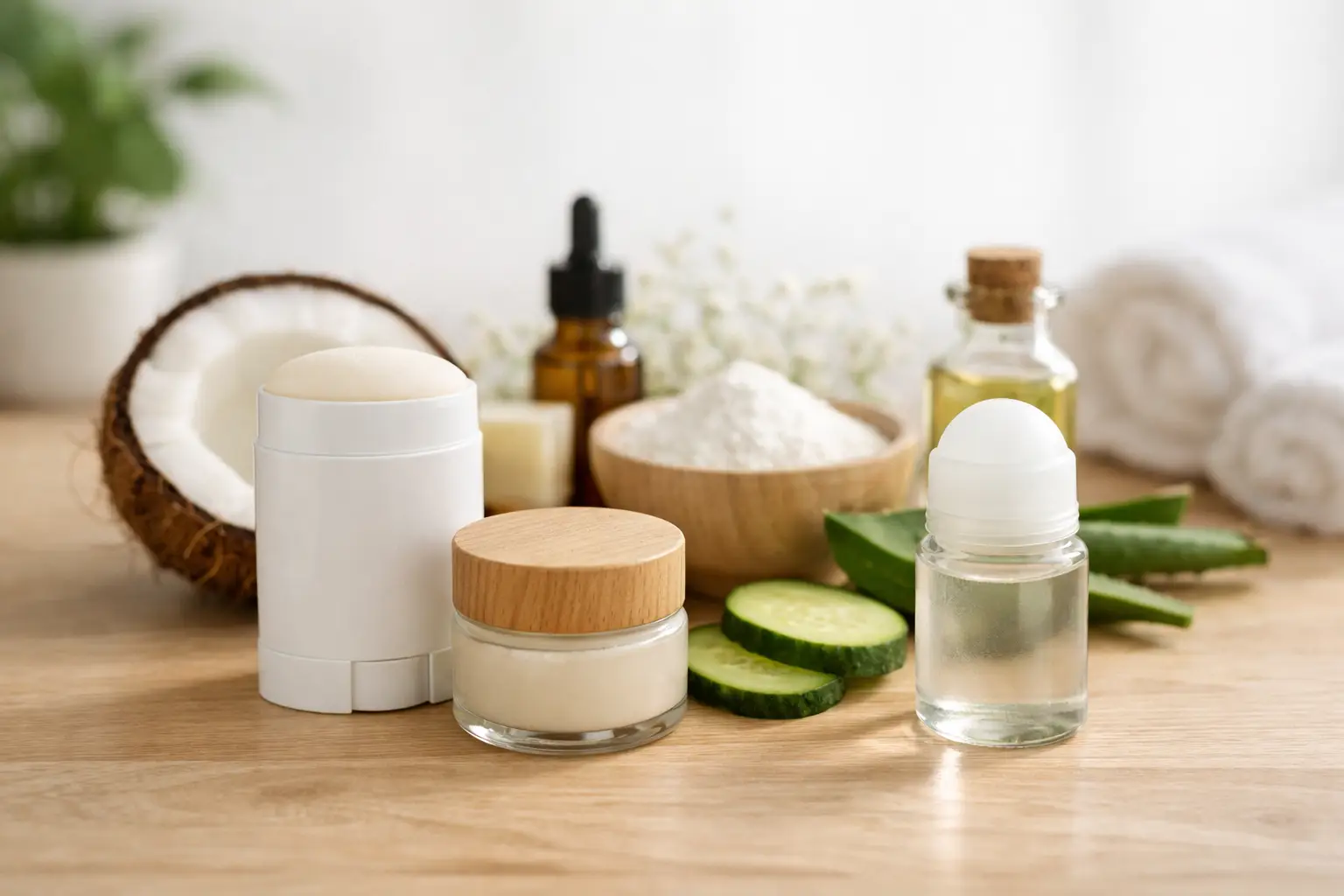
The best deodorant is one you can apply consistently and comfortably. Sticks are convenient and familiar, though some can drag on dry or irritated skin. Creams allow a small, controlled amount and can work well for people who prefer a softer application. Roll-ons and serums often feel lighter and may suit humid conditions, but they need time to dry before dressing.
Powder deodorants can be useful for people who want a dry finish, although they may be less convenient outside the home. If you wear dark clothing often, check whether the formula leaves white marks. If you live in a hot climate or keep products in a warm bathroom, consider whether a balm or soft stick may melt or separate.
Small details influence whether a product becomes a steady part of your routine. A formula does not need to be complicated to be well considered.
Test Slowly, Especially After Shaving
Patch testing is a practical step, particularly if you have a history of eczema, fragrance sensitivity, or contact dermatitis. Apply a small amount to a limited area of intact skin for several days before using it fully. Stop if you experience persistent burning, itching, rash, swelling, or pronounced discoloration.
Avoid testing a new deodorant directly after shaving, waxing, or using an underarm exfoliant. These can disrupt the skin barrier and make even a normally tolerable formula sting. Give the area time to recover, then apply to clean, dry skin.
There is also no required “detox period” when changing deodorants. You may notice a difference in wetness because you are moving from an antiperspirant to a deodorant, but your body is not purging toxins through the underarms. If odor becomes difficult to manage, reassess the formula, application amount, clothing, and skin condition rather than pushing through irritation.
Give Performance a Fair Test
Test one deodorant for at least one to two weeks unless it causes a clear reaction. Use it under ordinary conditions first, then notice how it performs on more demanding days. Temperature, stress, synthetic clothing, hormonal changes, and physical activity can all affect odor and moisture.
A useful deodorant should feel comfortable throughout the day, control odor at a level that works for your life, and fit your routine without leaving you worried about residue or irritation. It does not need to promise 24-hour perfection to be worthwhile. It needs to perform honestly and consistently.
At Calmora Natural, the principle is simple: fewer, better products. The same standard applies to deodorant. Choose a formula with a defined function, a tolerable ingredient profile, and claims that match what it can realistically do. Your underarms do not need a complicated routine. They need a product that respects the skin barrier and earns its place in your day.
Leave a Reply