If your skin suddenly feels tight after cleansing, stings when you apply products you used to tolerate, or swings between dryness and breakouts, the question is usually the same: what causes a damaged barrier? In most cases, it is not one dramatic mistake. It is cumulative stress – too much cleansing, too much exfoliation, too many actives, and not enough recovery.
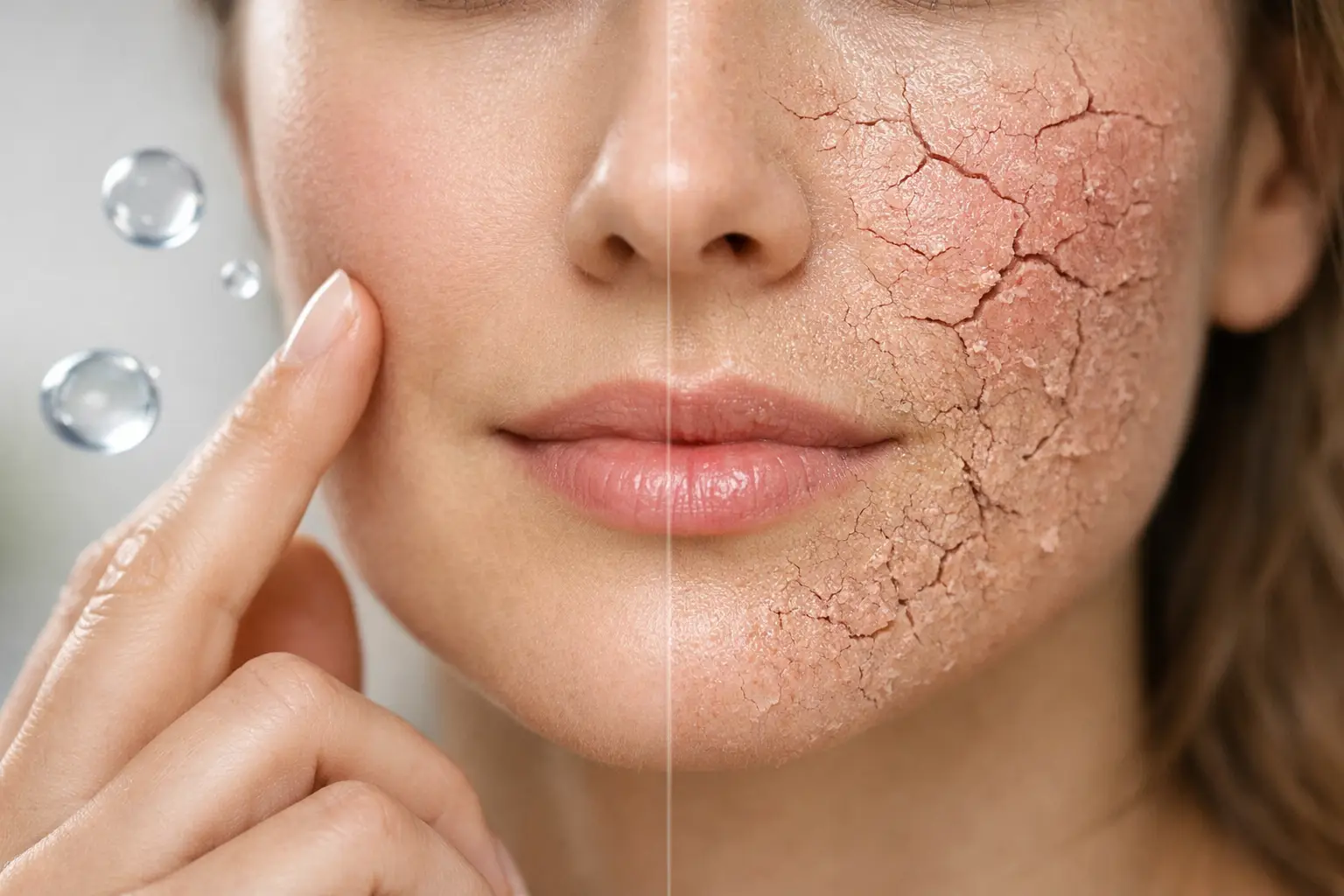
The skin barrier is often described in simple terms, but its role is precise. It is the outermost layer of skin that helps keep water in and irritants out. When it functions well, skin feels stable. It may still be oily, acne-prone, dry, or sensitive by nature, but it is less reactive. When the barrier is compromised, the skin becomes less predictable. It can feel dry and greasy at the same time, flush easily, sting with basic products, or develop rough patches that do not respond to heavier moisturizers alone.
What causes a damaged barrier on skin?
The short answer is friction, overcorrection, and imbalance.
A damaged barrier usually develops when the skin is exposed to more disruption than it can repair in real time. That disruption can come from harsh surfactants, frequent hot showers, strong exfoliating acids, retinoids used too aggressively, dry indoor air, UV exposure, or even chronic rubbing from towels, masks, and hands. Sometimes the trigger is obvious. Often it is the overall routine.
This matters because skin does not interpret your routine by marketing category. It does not care whether a product is labeled natural, clinical, clean, or premium. It responds to concentration, frequency, contact time, pH, and your own tolerance level.
Over-cleansing is one of the most common causes
Cleansing is necessary, but more is not better. Washing too often, double cleansing when you do not need to, or using a formula that leaves the skin feeling squeaky can strip lipids from the surface. That stripped feeling is often mistaken for cleanliness, even though it usually signals disruption.
This is especially common in people trying to manage acne, oiliness, sweat, or sunscreen buildup. The logic makes sense: if skin feels congested, clean it more thoroughly. But if the cleanser is too strong or used too often, the result can be rebound oil, dehydration, irritation, and a barrier that no longer holds water efficiently.
Exfoliation can go from helpful to excessive quickly
Acids, scrubs, peel pads, and resurfacing toners can improve texture and clarity. They can also be the fastest route to a compromised barrier when layered carelessly.
The problem is rarely exfoliation itself. It is frequency, overlap, and poor recovery time. A low-strength acid used a few nights a week may be well tolerated. Combine that with a cleansing brush, a scrub, a retinoid, and a foaming cleanser, and the skin starts losing more than dead cells. It loses resilience.
People with oily or acne-prone skin are particularly vulnerable to this cycle because irritation is often mistaken for progress. Redness, peeling, and stinging are not proof that a product is working well.
What causes a damaged barrier besides skincare?
Not all barrier damage starts in a bottle.
Climate has a direct effect on skin function. Air conditioning, low humidity, cold weather, strong wind, and frequent temperature shifts can increase water loss from the skin. In humid environments like parts of Malaysia and Singapore, dehydration can still happen, especially indoors where cooling systems run for long hours. Skin may feel oily on the surface but remain water-depleted underneath.
Hot water is another common factor. Long showers and very warm water soften and dissolve surface lipids more than most people realize. If your skin feels itchy or tight after bathing, water temperature may be part of the problem.
UV exposure also weakens the skin over time. Even when it does not cause an obvious burn, repeated sun exposure contributes to inflammation and slows the skin’s ability to maintain a healthy outer layer.
Friction and contact stress are easy to overlook
Barrier damage is not always chemical. It can be mechanical.
Rubbing the skin with towels, using abrasive cleansing tools, overusing cotton pads, picking at flakes, or wearing occlusive fabrics that trap sweat and heat can all increase irritation. For some people, frequent shaving or hair removal becomes part of the problem. For others, it is persistent contact with fragranced detergents, household cleansers, or hand soaps that are too aggressive.
This is one reason simplified routines often work better. Reducing unnecessary contact gives the skin fewer things to defend itself against.
Why some people get barrier damage more easily
Skin type matters, but so does skin history.
If you have eczema, chronic sensitivity, rosacea, or a naturally dry skin type, your barrier may be more vulnerable from the start. That does not mean your skin is weak. It means your margin for error is smaller. The same product that feels fine on one person can trigger stinging and roughness in another.
Hormonal shifts can also change tolerance. During menopause, for example, many people notice increased dryness, thinning, and delayed recovery after using products that once felt manageable. Acne treatments that worked in your twenties may feel too harsh later on.
There is also the issue of product stacking. Ingredient-aware consumers often build thoughtful routines, but even well-informed choices can become excessive when too many targeted products are used at once. Niacinamide, acids, retinoids, vitamin C, benzoyl peroxide, dandruff actives, spot treatments – each may have a valid role. Together, without enough spacing or restraint, they can overwhelm the skin.
Signs your barrier may be compromised
A damaged barrier does not always look dramatic. In many cases, it shows up as persistent low-grade irritation.
Skin may feel tight after washing, burn when moisturizer is applied, become shiny but dehydrated, or react to products that were previously fine. You may also notice flaking around the nose and mouth, rough texture, redness, or breakouts that seem more inflamed than usual. On the scalp, barrier disruption can show up as itch, tenderness, and increased sensitivity to cleansing products.
The pattern matters more than any single symptom. If your skin feels increasingly reactive and less stable, the barrier is worth considering.
How to support recovery without making it worse
The first step is not adding more treatment. It is removing pressure.
Pause strong exfoliants for a period. Reduce retinoid frequency if needed. Use a gentle cleanser once or twice daily based on actual need, not habit. Keep water lukewarm. Moisturize consistently with formulas designed to support water retention and replenish barrier lipids. Fragrance is not automatically a problem for everyone, but during a repair phase, less potential irritation is usually better.
This is where a disciplined routine matters. Fewer, better products give the skin a clearer path back to baseline. A cleanser, a moisturizer, and daily sun protection are often enough for the short term. If your skin is acne-prone, it may feel uncomfortable to scale back active treatments, but a calmer barrier usually improves treatment tolerance later.
Recovery is not instant. Mild disruption may improve within days. More significant damage can take weeks, especially if the skin has been under stress for a long time. If symptoms are severe, persistent, or linked to a condition like eczema, professional guidance is appropriate.
The goal is not perfect skin. It is functional skin.
A healthy barrier does not mean your skin will never break out, flush, or feel dry again. It means your skin can regulate itself better. It holds hydration more effectively. It tolerates treatment more predictably. It reacts less dramatically to normal environmental stress.
That is why the best prevention strategy is usually restraint. Not every concern requires a new product. Not every flare-up needs a stronger one. Brands like Calmora Natural are built around that principle for a reason: skin tends to do better when formulation is purposeful and routine design stays disciplined.
If you are trying to figure out what causes a damaged barrier in your own case, look less for a single villain and more for accumulated strain. The answer is often hiding in the routine that became too busy, too harsh, or too frequent. When you remove the excess, the skin often tells you what it needed all along.
Leave a Reply